



Gray hair could be a special body mechanism to avoid deadly cancer

According to a new study by researchers in Japan, the presence of gray hair may be a good sign that your body is naturally protecting itself against cancer.
A series of experiments on mice suggests that during evolution we became capable of getting rid of cells at risk of becoming tumors, at the expense of a little of our pigment.
Our cells are otherwise routinely exposed to a range of „genotoxic assaults,“ that is, DNA damage caused by a wide range of environmental factors.
Skin cells bear the brunt of much of this damage, given their role in protecting our internal organs from the outside world.
DNA damage can contribute to cellular aging as well as the development of cancer, although the specific genotoxins, signals, and cellular mechanisms associated with physical signs of aging are still insufficiently clear to science.
A new study focuses specifically on melanoma, a type of cancer found predominantly in the skin, which originates from melanocytes—specialized skin cells that produce melanin, the pigment responsible for skin and hair color.
The melanocytes themselves originate from stem cells located within the hair follicles of mammalian skin, where they maintain skin and hair pigmentation through regular regeneration.
Using mouse experiments, researchers profiled tissue gene responses to uncover the fate of stem cells exposed to different types of DNA damage.
In the case of the damage known as a double-strand break, in which both strands in the DNA double helix are broken, researchers have identified a specific response.
Stem cells have irreversibly differentiated and disappeared, resulting in the mouse's hair turning gray. Known as aging-coupled differentiation, or „seno-differentiation,“ this process relies on the activation of a signaling pathway called p53-p21, which helps regulate the cell cycle.
On the other hand, certain carcinogenic factors elicited a different response. Researchers treated the skin of mice with ultraviolet B (UVB) light and 7,12-dimethylbenz(a)anthracene (DMBA), a potent carcinogen frequently used to induce tumor growth in laboratory research.
When exposed to these carcinogens, stem cells bypassed the differentiation process that occurred following double-strand breaks, even if the cells suffered DNA damage, the study found.
That withdrawal in response to DNA damage can cause hair color loss, and this may also indicate a lower risk of skin cancer, according to the study's authors.
When exposed to UVB or DMBA, melanocyte stem cells retained their self-renewal abilities and continued to clone themselves, researchers report. This effect is supported by a cytokine called stem cell factor (SCF), which is involved in regulating the guidance of melanocytes to their proper place in the skin.
Secreted in the local stem cell microenvironment, SCF also suppresses senescence-associated differentiation (a natural defense mechanism).
Instead of curbing DNA damage, this increases the risk of tumor development by encouraging compromised (potentially malignant) cells to continue developing.
Getting gray hair with age is a natural process in all people, but with a lot of variation
„These findings reveal that the same stem cell population can follow antagonistic fates—depletion or expansion—depending on the type of stress and microenvironmental signals, says lead author Emi Nishimura, a biologist at the University of Tokyo.
„This explains the process of hair graying and melanocyte functions, not as unrelated events, but as different outcomes of stem cell stress responses,“ she adds.
This does not mean that gray hair in itself is a defense against the risk of cancer, the researchers note. The process of getting gray hair is the result of senescence-differentiation. It is a type of protective process that helps the body respond to genotoxic stress by eliminating potentially dangerous cells.
However, when that process does not take place, the survival and proliferation of damaged melanocyte cells can favor melanoma, or rather, it will not hinder its development.
Further research is needed to shed light on the mechanisms involved and explore cell response phenomena in humans, but this already represents a significant leap along that path of understanding.
The authors write that by providing this insight into the molecular circuits governing „different stem cell fates,“ the study presents a model that helps explain key details about the link between tissue aging and cancer.
The study was published in the journal Nature Cell Biology.
SOURCE: RTS PHOTO: PEXELS











Praznični voz stiže u Čikago: Deda Mraz, hiljade lampica i koncerti uživo – evo gde i kada možete da ga vidite
Jedna od najlepših božićnih tradicija Severne Amerike ponovo je stigla u okolinu Čikaga! Legendarni CPKC Holiday Train, raskošno ukrašen hiljadama prazničnih lampica, zaustavlja se…

Veliko srce mladih u Čikagu: Više od 1.000 porodica i građana dobilo besplatne ćurke i hranu za Thanksgiving
Dok se Amerika priprema za Thanksgiving, grupa mladih iz Čikaga pokazala je koliko solidarnost može da promeni živote ljudi! Više od 1.000 stanovnika grada…

Haos na američkim aerodromima pred Thanksgiving: Letovi za Čikago obustavljeni, dan ranije problemi u Atlanti!
Nova drama u američkom avio-saobraćaju! Dva najprometnija aerodroma u Sjedinjenim Američkim Državama suočila su se sa privremenim obustavama dolaznih letova u razmaku od samo…

Pucnjava u školi u Kragujevcu: Dve osobe povređene, uhapšen učenik (17) – MUP saopštio da nema povređenih đaka!
U Prvoj tehničkoj školi u Kragujevcu jutros, 24. novembra 2026. godine, oko 8 časova dogodila se pucnjava u kojoj su povređene dve osobe. Policija…

Ruske rakete upale u vazdušni prostor Poljske: Varšava hitno traži pojačanje NATO-a, raste strah od nove eskalacije
Novi incident na istočnom krilu NATO-a izazvao je ozbiljnu zabrinutost u Poljskoj! Nakon što su tri ruske krstareće rakete narušile poljski vazdušni prostor, vlasti…

Beyoncé ispisala istoriju Grammy nagrada: Dostigla neverovatnih 100 nominacija, a njen rekord niko nikada nije ostvario!
Svetska muzička zvezda Beyoncé ponovo je pomerila granice muzičke industrije! Američka pevačica postala je prva umetnica u istoriji Grammy nagrada koja je dostigla čak…

Dragana Rakčević zapevala na gala večeri u Njujorku: Nastupila na sceni na kojoj su pevali Čolić, Marija Šerifović i Bajaga
Pevačica Dragana Rakčević ostvarila je poseban muzički trenutak nastupom na svečanoj večeri Srpskog filantropskog udruženja u Njujorku. Na ovom događaju prethodnih godina nastupala su…

Objavljen raspored CTA praznične flote: Autobus kreće 24. novembra, voz tri dana kasnije
Praznični CTA autobus vozi od 24. novembra, a voz od 27. novembra. Važe redovne karte, uz posebne termine fotografisanja sa Deda Mrazom.

Miley Cyrus se udala u tajnosti pred 140 zvanica! Pevačica zaplakala pred oltarom, a njene reči o bebi iznenadile sve
Svetska pop zvezda Miley Cyrus (33) ponovo je stala na ludi kamen! Pevačica se udala za muzičara Maxxa Moranda (28), sa kojim je u…

Velika sreća u domu Quentina Tarantina: Slavni reditelj u 63. godini ponovo postao otac – stigla prinova!
Jedan od najpoznatijih holivudskih reditelja, Quentin Tarantino, ima veliki razlog za slavlje! U 63. godini života po treći put postao je otac, nakon što…
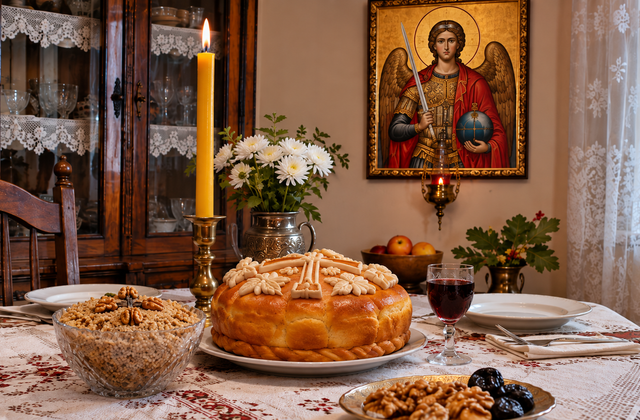
Aranđelovdan: Jedna od najvećih srpskih slava krije posebna verovanja – evo šta vreme nagoveštava
Srpska pravoslavna crkva i vernici danas, 21. novembra, proslavljaju Aranđelovdan, praznik posvećen Svetom arhangelu Mihailu. Reč je o jednoj od najrasprostranjenijih krsnih slava među…

Neverovatna istorija Srbije: Čak 16 rimskih careva rođeno je na našim prostorima – među njima i Konstantin Veliki!
Srbija krije istorijsko bogatstvo kojim može da se pohvali malo koja evropska zemlja! Prema podacima Turističke organizacije Srbije, čak 16 rimskih careva rođeno je…

Zašto su naše bake stavljale makaze ispod jastuka? Staro verovanje krije tajnu zaštite od zla i nesreće!
Da li ste ikada čuli da su naše bake stavljale makaze ispod jastuka pre odlaska na spavanje? Iako danas zvuči neobično, ovaj zaboravljeni običaj…

Mitrovdan: Običaji i verovanja za Svetog Dimitrija
Osmog novembra, Srpska pravoslavna crkva proslavlja Mitrovdan, jedan od najznačajnijih praznika u srpskoj tradiciji. Za ovaj dan vezuju se brojni običaji i narodna verovanja,…
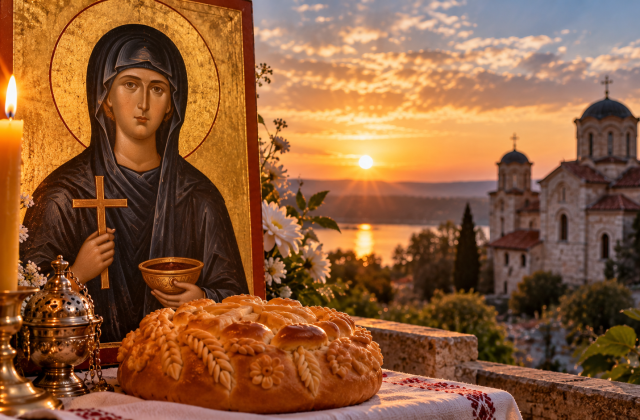
Sveta Petka: Običaji i verovanja koja se poštuju 27. oktobra
Pravoslavni vernici 27. oktobra obeležavaju praznik Prepodobne mati Paraskeve, u narodu poznate kao Sveta Petka. Sveta Petka je jedna od najpoštovanijih svetiteljki među Srbima,…

Ponovo radi Skadarliya! Svečano otvaranje kultnog čikaškog restorana 20. novembra, novi vlasnik, novi meni, najbolje pice na svetu i mnogo zabave!
Radosne vesti za sve Balkance u Čikagu i okolini! Ponovo se otvara restoran Skadarliya, zborno mesto za sve ljubitelje dobre zabave, klopice, a bogami…

Veliki spektakl srpskog filma u Čikagu: Osam filmskih ostvarenja i poznati glumci stižu na 13. Serbian Film Fest!
Čikago će od 4. do 6. decembra 2026. godine ponovo postati centar srpske kinematografije u Americi! Trinaesti Serbian Film Fest donosi tri dana filmskih…

Eduprevent – Stručna podrška deci, adolescentima i porodicama: Kada problemi postanu preveliki, važno je znati kome se obratiti
Pubertet, adolescencija, emocionalne poteškoće, anksioznost, depresija i bolesti zavisnosti predstavljaju izazove sa kojima se suočavaju brojne porodice. Kada komunikacija između roditelja i dece postane…

Srpski lekar iz Čikaga među svetskom naučnom elitom: Dr. Nebojša Nick Knežević ponovo među 2% najboljih naučnika sveta!
Još jedno veliko međunarodno priznanje stiglo je u ruke srpskog lekara i naučnika koji godinama gradi uspešnu karijeru u Čikagu! Dr. Nebojša Nick Knežević…

Božićna čarolija u Lyons-u: Crkva Svetog Nikole priprema „Božićno seoce“, poziva izlagače, sponzore i donatore!
Praznična atmosfera, tradicionalni specijaliteti, koncerti, predstave i bogat program za decu očekuju posetioce „Božićnog seoceta“ u Lyons-u, nedaleko od Čikaga! Srpska pravoslavna crkva Svetog…

Dončić predvodio Lejkerse do nove pobede: Los Anđeles siguran protiv Jute
Košarkaši Los Anđeles lejkersa savladali su Juta džez rezultatom 109:94 (30:20, 23:22, 25:25, 31:17) i upisali 14. pobedu u sezoni, potvrdivši odličnu formu i…

Amerikanci su mu se decenijama smejali, a sada za „jugo“ plaćaju pravo bogatstvo: Primerak star 40 godina prodat za čak $50.000!
Automobil koji je decenijama važio za simbol jeftine i nepouzdane vožnje danas postaje pravo kolekcionarsko blago! Legendarni „jugo“, nekada predmet podsmeha u Sjedinjenim Američkim…

Veliki preokret u Nvidia-i: Jensen Huang vraćen na čelo kompanije posle skandala – Trump intervenisao, akcije eksplodirale
Jedna od najmoćnijih tehnoloških kompanija na svetu doživela je dramatičan preokret! Nvidia je 23. novembra zvanično saopštila da se njen osnivač Jensen Huang vraća…

Više od $5 milijardi čeka vlasnike u Illinois-u: Proverite da li i vi imate zaboravljen novac – postupak je potpuno besplatan
Stanovnici Illinois-a možda imaju novac za koji uopšte ne znaju! Kancelarija državnog blagajnika čuva više od $5 milijardi nepreuzetih sredstava, a među njihovim vlasnicima…
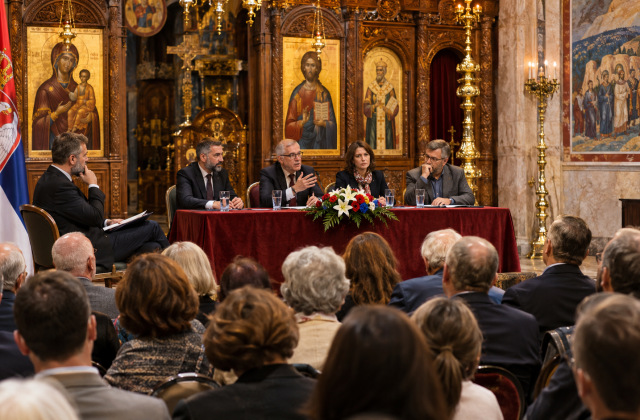
Četvorica istoričara iz Beograda govorila u Čikagu o burnom 20. veku Srbije
U Sabornom hramu Vaskrsenja Hristovog u Čikagu održano je značajno kulturno i istorijsko veče posvećeno jednim od najvažnijih i najosetljivijih pitanja srpske prošlosti. Četvorica…