



Psychologists say you should never talk about these topics in front of children

Children absorb much more than adults think. They not only adopt what we say directly to them, but also what we say in their presence – even when we think they are not listening.
This raises the question: are there topics that simply should not be discussed with children or in front of them? And conversely – are there conversations that adults assume are inappropriate, but can actually be beneficial?
As clinical psychologist Laura Markham, author of the Peaceful Parent, Happy Kids series, points out, in most cases the issue is not the topic itself, but the way it is approached, writes HuffPost.
„For example, you wouldn't discuss financial worries with a child in a way that would make them anxious. But you can certainly say that a new car or an expensive summer vacation is not in the budget this year,“ she told HuffPost.
Below, Markham and other therapists share their advice on what should and should not be said when children are present.
Five things adults should not talk about in front of children
- Comments on someone else's or one's own body
When adults speak badly about their own or someone else's body, children notice and often adopt the negative messages, says family therapist Brian Billups Hughes.
Even when comments are not negative, the frequent mention of appearance and weight can cause children to become overly concerned about their own appearance, Markham adds. - Negative comments about the other parent or guardian
Criticizing parents or guardians—either directly or in front of the child—can put the child into an emotional conflict and a feeling of having to choose sides. This undermines their sense of security and can cause feelings of guilt. - Comparisons between children
Markham advises avoiding comparisons between siblings, even when they are positive. They can create rivalry, jealousy, and insecurity. Example: if you tell a child they are „good“ because they „don't cause trouble like their brother,“ they may feel pressured to maintain that role—and to keep their brother in the „bad“ role. - Adult financial problems
Children do not have the developed capacity to understand complex financial situations. When they hear about money problems, they can imagine the worst-case scenario, which causes anxiety and guilt. Instead, they should be explained calmly and clearly that there is a plan and that their needs will be met. - Idealization of alcohol and drugs
Speeches that normalize or romanticize the consumption of alcohol and drugs can later influence children's attitudes toward these substances. Children are susceptible to influence, and even jokes about consumption can encourage them toward risky behaviors in the future.
Five topics that adults can actually talk about in front of children:
- Healthy disagreements
Parents often think they have to resolve all conflicts behind closed doors, but children can benefit from seeing adults resolve disagreements respectfully. Of course, arguments involving shouting, insults, and disrespect should be avoided in front of children. - Sincere emotions
Children need to see adults express feelings in a healthy way. If parents say, for example, „I am sad because my friend moved away, and that is okay,“ children learn that emotions are normal and passing, and that they can express them freely. - Mistakes that adults make
Admitting one's mistakes to children helps them learn about responsibility and resilience. If they hear a parent admit a mistake and talk about a solution, they will understand that mistakes are a natural part of life. - Talking about money in general
Finances do not have to be a taboo subject. Explaining basic concepts such as budgets, savings, and responsible spending can help children develop healthy habits regarding money. - Conversations about the body, puberty, and consent
Although many parents feel uncomfortable talking about these topics, it is important for children to learn about their own bodies, boundaries, and basic facts about development and reproduction. This helps them develop a healthy understanding of relationships and the body and prevents misinformation from other sources.
Regardless of the topic, the way we talk with children and in front of children leaves a deep mark. Because of this, it is important to conduct those conversations carefully and consciously. By modeling healthy patterns—from resolving conflict to accepting emotions—we help children develop key life skills. The goal is not to completely protect them from reality, but to create an environment where they can learn, express themselves, and feel safe.
SOURCE: N1 PHOTO: PIXABAY











Cena zlata doživela dramatičan pad: Milioni Amerikanaca mogli bi da osete posledice
Zlato, koje se decenijama smatra jednim od najsigurnijih načina očuvanja bogatstva, suočava se sa ozbiljnim padom vrednosti! Cena ovog plemenitog metala pala je za…

Objavljen raspored CTA praznične flote: Autobus kreće 24. novembra, voz tri dana kasnije
Praznični CTA autobus vozi od 24. novembra, a voz od 27. novembra. Važe redovne karte, uz posebne termine fotografisanja sa Deda Mrazom.

Velika promena za milione Amerikanaca: Trump želi da smanji kamate na kreditne kartice na 10% – evo koliko biste mogli da uštedite!
Milioni Amerikanaca koji svakog meseca plaćaju visoke kamate na kreditne kartice mogli bi da dobiju značajno finansijsko olakšanje! Predsednik Donald Trump ponovo je pokrenuo…

Objavljena lista najbezbednijih bolnica u Illinois-u: Čak 37 dobilo najvišu ocenu, ali jedna u Čikagu završila na dnu!
Jesenji Leapfrog izveštaj doneo je ocenu A za 37 bolnica u Illinoisu. Objašnjavamo šta ocene mere i zašto neocenjena ustanova nije automatski dobila F.

„Beograd je svet“ ponovo na ulicama: Učesnici protesta 1996/97. obeležili 30 godina od početka studentskih demonstracija
Tri decenije nakon velikih studentskih i građanskih demonstracija 1996/97. godine, Beogradom je ponovo prošetala generacija koja se borila protiv izborne krađe i režima Slobodana…

Miley Cyrus se udala u tajnosti pred 140 zvanica! Pevačica zaplakala pred oltarom, a njene reči o bebi iznenadile sve
Svetska pop zvezda Miley Cyrus (33) ponovo je stala na ludi kamen! Pevačica se udala za muzičara Maxxa Moranda (28), sa kojim je u…

Velika sreća u domu Quentina Tarantina: Slavni reditelj u 63. godini ponovo postao otac – stigla prinova!
Jedan od najpoznatijih holivudskih reditelja, Quentin Tarantino, ima veliki razlog za slavlje! U 63. godini života po treći put postao je otac, nakon što…

Mulder i Scully ponovo zajedno? Chris Carter želi nastavak „Dosijea X“, ali bez originalnog para ne kreće
Chris Carter razmatra film ili mini-seriju o Mulder-u i Scully. Taj plan je odvojen od nove verzije koju Ryan Coogler razvija za Hulu.

Dara Bubamara doživela neprijatnost na nemačkoj carini: Zaustavili je zbog luksuznih kofera, a onda je morala da zove bivšeg muža
Pevačica Dara Bubamara otkrila je neprijatno iskustvo koje je doživela na aerodromu u Nemačkoj, kada su je carinici zaustavili zbog skupocenih torbi i kofera.…

Leonardo DiCaprio i najteže snimanje u karijeri: Zašto ga je „Povratnik“ doveo do granica izdržljivosti
Ledene reke, prirodno svetlo i precizne probe obeležili su snimanje „Povratnika“. Leonardo DiCaprio je još 2015. govorio o njegovim izazovima.
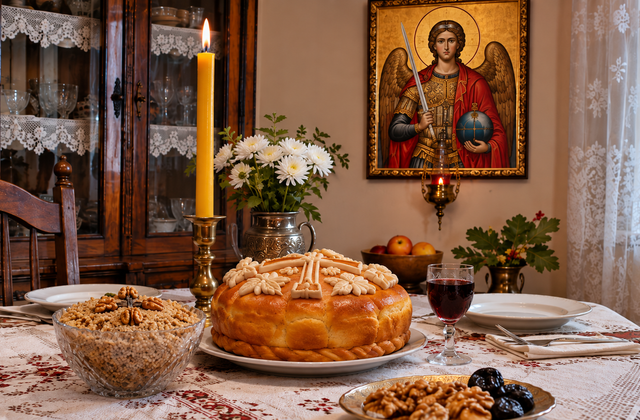
Aranđelovdan: Jedna od najvećih srpskih slava krije posebna verovanja – evo šta vreme nagoveštava
Srpska pravoslavna crkva i vernici danas, 21. novembra, proslavljaju Aranđelovdan, praznik posvećen Svetom arhangelu Mihailu. Reč je o jednoj od najrasprostranjenijih krsnih slava među…

Neverovatna istorija Srbije: Čak 16 rimskih careva rođeno je na našim prostorima – među njima i Konstantin Veliki!
Srbija krije istorijsko bogatstvo kojim može da se pohvali malo koja evropska zemlja! Prema podacima Turističke organizacije Srbije, čak 16 rimskih careva rođeno je…

Zašto su naše bake stavljale makaze ispod jastuka? Staro verovanje krije tajnu zaštite od zla i nesreće!
Da li ste ikada čuli da su naše bake stavljale makaze ispod jastuka pre odlaska na spavanje? Iako danas zvuči neobično, ovaj zaboravljeni običaj…

Mitrovdan: Običaji i verovanja za Svetog Dimitrija
Osmog novembra, Srpska pravoslavna crkva proslavlja Mitrovdan, jedan od najznačajnijih praznika u srpskoj tradiciji. Za ovaj dan vezuju se brojni običaji i narodna verovanja,…

Sveta Petka: Običaji i verovanja koja se poštuju 27. oktobra
Pravoslavni vernici 27. oktobra obeležavaju praznik Prepodobne mati Paraskeve, u narodu poznate kao Sveta Petka. Sveta Petka je jedna od najpoštovanijih svetiteljki među Srbima,…

Ponovo radi Skadarliya! Svečano otvaranje kultnog čikaškog restorana 20. novembra, novi vlasnik, novi meni, najbolje pice na svetu i mnogo zabave!
Radosne vesti za sve Balkance u Čikagu i okolini! Ponovo se otvara restoran Skadarliya, zborno mesto za sve ljubitelje dobre zabave, klopice, a bogami…

Veliki spektakl srpskog filma u Čikagu: Osam filmskih ostvarenja i poznati glumci stižu na 13. Serbian Film Fest!
Čikago će od 4. do 6. decembra 2026. godine ponovo postati centar srpske kinematografije u Americi! Trinaesti Serbian Film Fest donosi tri dana filmskih…

Eduprevent – Stručna podrška deci, adolescentima i porodicama: Kada problemi postanu preveliki, važno je znati kome se obratiti
Pubertet, adolescencija, emocionalne poteškoće, anksioznost, depresija i bolesti zavisnosti predstavljaju izazove sa kojima se suočavaju brojne porodice. Kada komunikacija između roditelja i dece postane…

Srpski lekar iz Čikaga među svetskom naučnom elitom: Dr. Nebojša Nick Knežević ponovo među 2% najboljih naučnika sveta!
Još jedno veliko međunarodno priznanje stiglo je u ruke srpskog lekara i naučnika koji godinama gradi uspešnu karijeru u Čikagu! Dr. Nebojša Nick Knežević…

Božićna čarolija u Lyons-u: Crkva Svetog Nikole priprema „Božićno seoce“, poziva izlagače, sponzore i donatore!
Praznična atmosfera, tradicionalni specijaliteti, koncerti, predstave i bogat program za decu očekuju posetioce „Božićnog seoceta“ u Lyons-u, nedaleko od Čikaga! Srpska pravoslavna crkva Svetog…

Jokić napravio haos u Čikagu: Nikola i Murray ubacili neverovatna 82 poena, a istorijski tripl-dabl približio Srbina NBA rekordu
Nikola Jokić ponovo je pokazao zašto je jedan od najboljih košarkaša današnjice! Srpski centar odigrao je spektakularnu utakmicu protiv Chicago Bulls-a, ostvario novi tripl-dabl…

Apple sprema veliki zaokret: Novi iPhone 20 Pro mogao bi da dobije potpuno drugačije kućište – evo šta se menja!
Apple bi mogao da napravi veliki zaokret u dizajnu svojih najskupljih pametnih telefona! Prema najnovijim informacijama koje stižu iz tehnološke industrije, kompanija razmatra povratak…
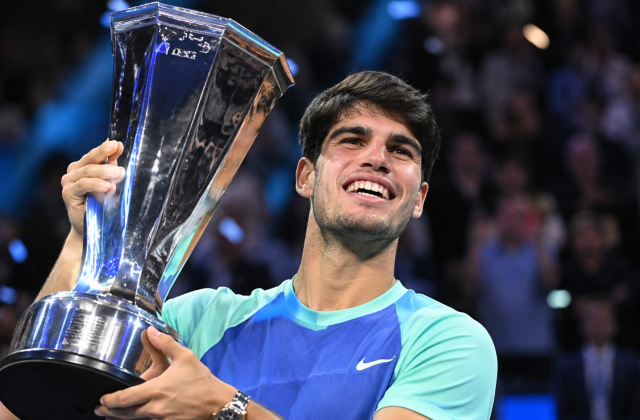
Alkaraz prvi put šampion Završnog mastersa, Zverev zaustavljen u taj-brejku
Španski teniser Karlos Alkaraz osvojio je prvu titulu na Završnom mastersu, pošto je u finalu u Torinu savladao prvog tenisera sveta, Nemca Aleksandra Zvereva,…

EU drastično smanjuje budžet za $240 milijardi: Stižu novi porezi za tehnološke gigante, odbrana dobija ogroman novac
Evropska unija priprema veliki zaokret u finansijskoj politici! Predsednik Evropskog saveta António Costa predstavio je novi predlog sedmogodišnjeg budžeta, koji predviđa smanjenje potrošnje za…

Milioni lete u MLS ligi: Messi zarađuje pravo bogatstvo, a fudbaler Chicago Fire-a odmah iza njega – evo ko ima najveće plate
Američka fudbalska liga MLS objavila je podatke o zaradama svojih najvećih zvezda, a cifre pokazuju koliko je fudbal u Sjedinjenim Američkim Državama postao unosan.…