


Over 1,600 people arrested in Belarus for anti-war views and support for Ukraine
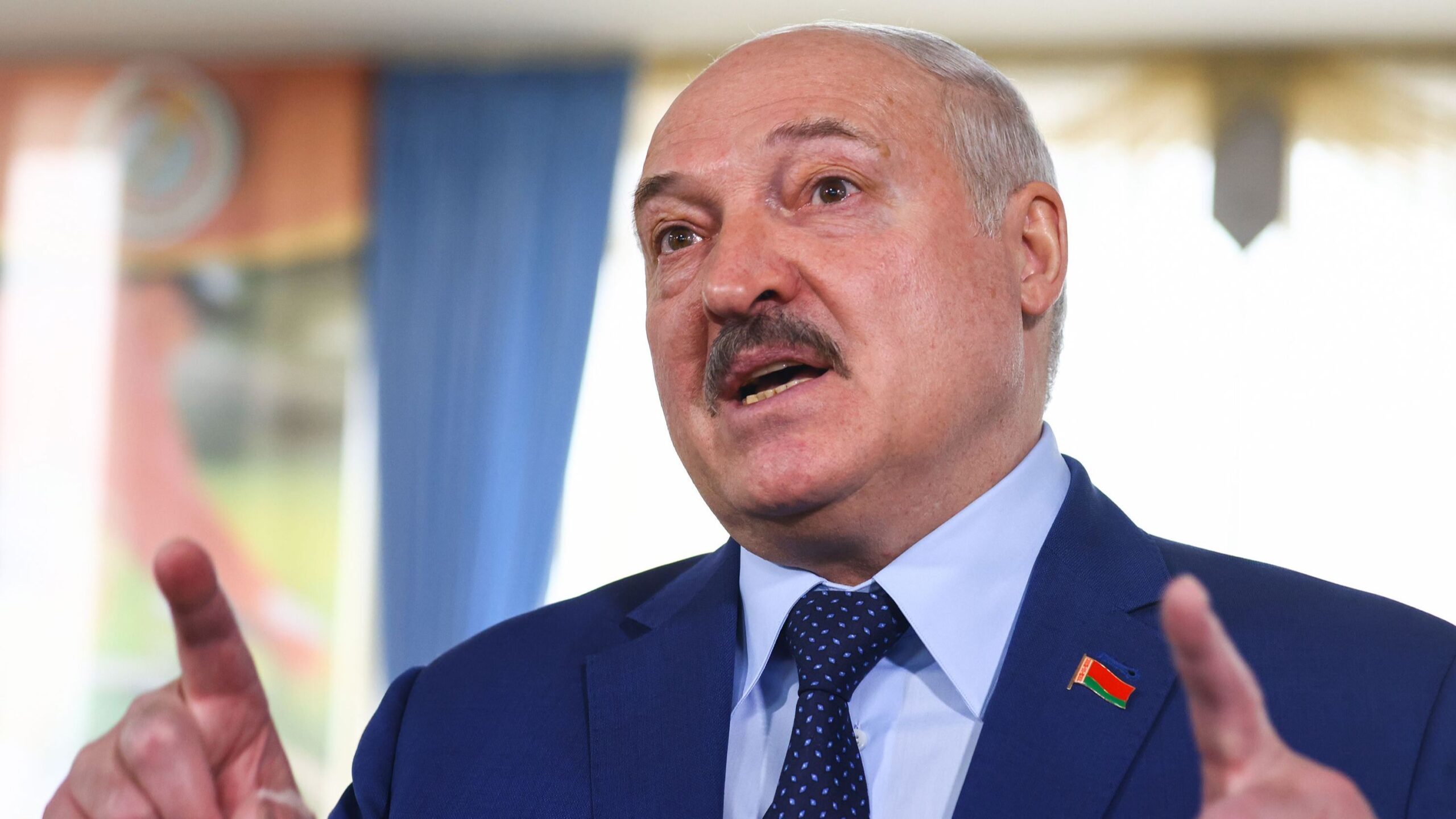
More than 1,600 people have been arrested in Belarus for solidarity with Ukraine, human rights activists reported.
Belarusian President Alexander Lukashenko is a close ally of Russia, which attacked Ukraine nearly three years ago, thus sparking a war that is still ongoing with unabated fury.
At least 1,671 Belarusian citizens have been detained for their anti-war stance or for expressing solidarity with Ukraine, and at least 200 of them have been sentenced to prison terms ranging from one to 25 years on charges of extremism and conspiracy against the state, according to a report by the Viasna (Spring) Human Rights Center.
In addition to arrests, convictions, and prison sentences, the report states that many were tortured, held in inhumane conditions, and fined. Some were subjected to forced psychiatric treatment.
At least 12 Ukrainians in Belarus have been convicted on charges of extremism and alleged ties to Ukrainian security agencies and sentenced to prison terms, said Ukrainian diplomat and former ambassador of that country to Belarus, Ihor Kizym.
Among the convicts are, as one 16-year-old stated, a Ukrainian official and people who have relatives in Belarus.
Belarus has a 1,084-kilometer-long border with Ukraine, and the two countries have longstanding cultural and historical ties. Many in southern Belarus have relatives across the border.
Belarusian authorities have stepped up pressure on dissenters ahead of the presidential election in January, in which Lukashenko aims to secure a seventh term.
The Ministry of Internal Affairs has started anti-riot exercises, which is a signal from the government that it will not tolerate protests.
More than 65,000 people were arrested at mass protests in 2020 when they challenged Lukashenko's victory in the presidential election.
The main opposition figures are either imprisoned or have fled the country. Human rights activists claim that Belarus holds about 1,300 political prisoners, many of whom are denied adequate medical care and contact with their families.